

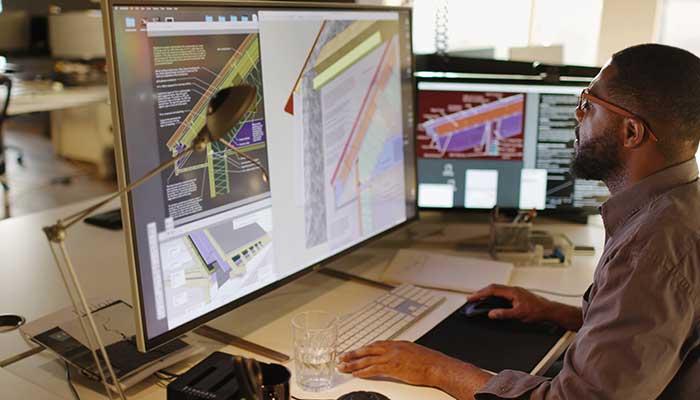
Success in civil engineering today demands more than foundational knowledge of structures and materials; it requires a deep understanding of modern digital tools. With increasingly intricate projects, equipping yourself with crucial software skills is essential for achieving project efficiency and accuracy. Whether you’re just starting or looking to advance your expertise, quality civil 3D training Miami can set you apart in a competitive market and help bridge the gap between traditional techniques and state-of-the-art technology.
Civil engineering software goes far beyond simple drafting. Programs now enable simulation, data integration, stakeholder collaboration, and sustainable design, reshaping projects’ plans and execution. Building a robust skill set in key software categories is vital for any modern civil engineer aiming to lead the industry.
Proficiency in CAD Software
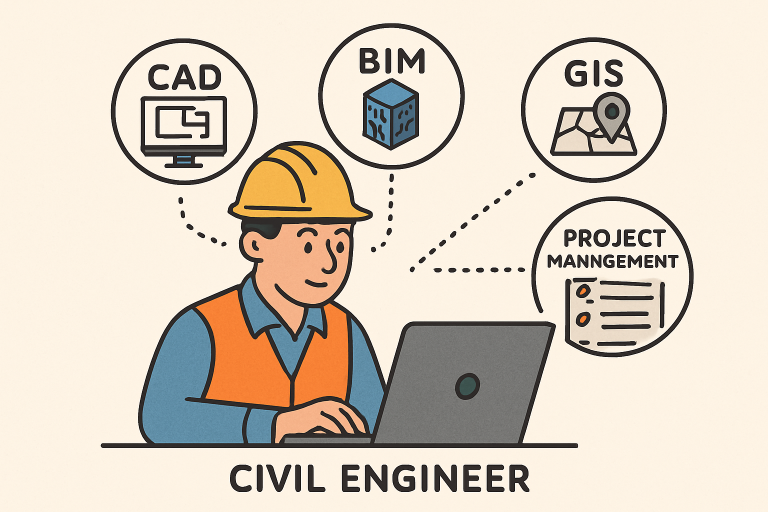
Computer-Aided Design (CAD) software forms the foundation of civil engineering design and drafting. Leading tools like AutoCAD and Civil 3D are indispensable for producing detailed 2D and 3D models of construction projects. Proficiency with these platforms enables engineers to create accurate blueprints, visualize outcomes, and resolve design challenges before construction begins. Mastering CAD tools elevates design quality and helps align project deliverables with client expectations and regulatory standards.
Building Information Modeling (BIM)
Building Information Modeling (BIM) has fundamentally changed how civil engineering projects are conceptualized and managed. By integrating architectural, structural, and engineering data into a single, collaborative model, BIM software such as Revit allows for seamless teamwork and early detection of design conflicts. Using BIM diminishes costly rework, fosters greater transparency, and substantially saves time and money. Embracing BIM methodologies is critical as more public and private projects mandate collaborative planning platforms.
Geographic Information Systems (GIS)
Understanding spatial relationships is essential in planning infrastructure that addresses real-world needs. Geographic Information Systems (GIS) empower civil engineers to visualize, analyze, and interpret spatial data, helping inform decisions about site selection, resource allocation, and environmental impact. Proficiency in popular software like ArcGIS enables professionals to create layered maps, assess terrain suitability, and communicate site logistics to stakeholders. GIS knowledge enhances technical planning and supports sustainable development by ensuring infrastructure is harmoniously integrated with natural landscapes.
Project Management Tools
Delivering projects on schedule and within budget rests on strong project management. Familiarity with tools like Microsoft Project and Primavera P6 enables engineers to create schedules, allocate resources, and track real-time progress. These platforms standardize workflows and foster better communication among team members, reducing delays and minimizing costly mistakes. Effective use of project management software also supports adherence to compliance requirements and contract milestones.
Data Analysis and Visualization
Civil engineering projects require collecting and interpreting vast datasets, from soil analysis reports to traffic flow studies. Data analysis and visualization skills, using platforms such as Excel, MATLAB, and Python, are crucial for transforming complex information into actionable insights. Visualization tools help identify trends and anomalies, while data analytics drive informed decision-making. These abilities are increasingly important as the industry moves toward data-driven project management and performance evaluation.
Programming and Automation
As digital processes expand in engineering, the ability to automate repetitive tasks can boost productivity and accuracy. Basic programming knowledge in Python or JavaScript allows engineers to develop custom scripts for data processing and simulation. Automation can refine processes such as survey data conversion, error checking in design files, or even report generation, freeing up valuable critical review and analysis time. Embracing automation ensures teams are adaptable and responsive to new technological advancements.
Sustainability and Green Design
Prioritizing sustainability in civil engineering addresses both regulatory requirements and public demand for greener infrastructure. Awareness of green building standards, renewable materials, and energy-efficient design options enables engineers to reduce projects’ environmental footprints. Software tools now offer lifecycle analyses and carbon impact simulations to guide decision-making. Developing competence in sustainable design reflects environmental responsibility and enhances project funding opportunities and long-term success.
Communication and Collaboration
Engineering solutions often involve multidisciplinary teams and complex stakeholder relationships. Strong communication skills—both written and verbal—ensure that technical details are understood by non-engineers, facilitating better decision-making and teamwork. Modern collaboration platforms, including shared cloud environments and instant messaging apps, simplify project coordination, allowing distributed teams to share updates and documents effortlessly. Prioritizing effective collaboration minimizes misunderstandings and accelerates project delivery.
Mastering these critical skills empowers civil engineers to harness the full potential of modern software solutions.

