
Key Takeaways
- Comprehensive pain relief requires a multi-faceted approach, blending physical, mental, and lifestyle strategies.
- Consulting with professionals such as those at a pain management clinic can personalize pain solutions for the best results.
- Everyday habits—like staying active, eating nutritious foods, and practicing mindfulness—let you control pain naturally and effectively.
- Emerging technologies and alternative therapies expand possibilities for chronic pain relief without constant reliance on medication.
Living with persistent aches and pains can be physically and emotionally draining. While over-the-counter or prescription medications may offer temporary relief, many people are searching for sustainable, holistic strategies to improve their quality of life daily. The right blend of lifestyle changes and professional guidance is often the most effective way to conquer pain at its source.
Starting with expert evaluation is key to tailoring solutions for your unique needs and ensuring lasting results. Seeking help from a reputable pain management clinic St. Augustine, FL, is a proactive step toward understanding the root cause of your discomfort and building a pain relief plan that aligns with your health profile.
Physical Therapy
Physical therapy is often the foundation of effective pain management, particularly for pain affecting the back, joints, or soft tissues. A licensed physical therapist can assess your body’s mobility, develop a personalized exercise regimen, and provide manual therapies designed to restore function and reduce discomfort. Core strengthening, guided stretching, and posture improvement all reduce pain levels and reduce the risk of future injuries. According to Harvard Health, drug-free approaches like physical therapy are essential for lasting pain relief, sometimes eliminating the need for medications.
Mindfulness and Meditation
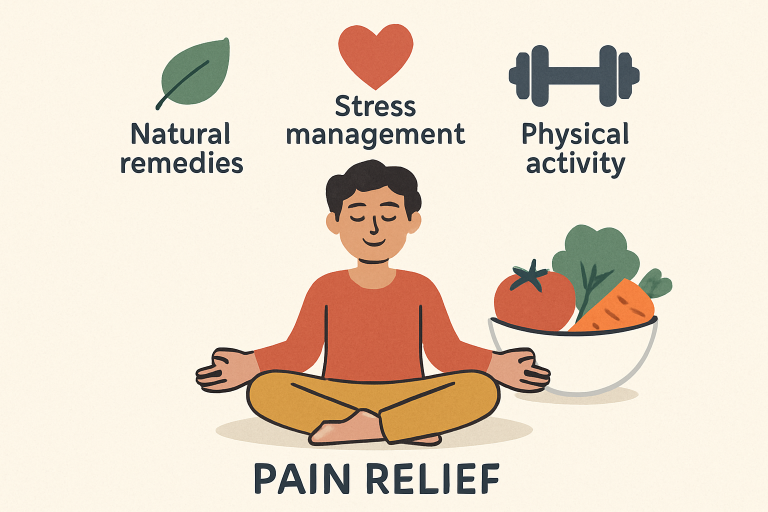
Chronic pain is not only physical—it’s also closely tied to mental well-being. Mindfulness and meditation techniques encourage you to observe pain sensations without judgment, reducing anxiety and emotional intensity. Body scan meditation, mindful breathing, and guided imagery can retrain your brain’s response to discomfort. Integrating these practices daily helps many people decrease their experience of pain and build resilience to stressors. As noted by Mayo Clinic, mindfulness is a research-backed resource for chronic pain management.
Dietary Approaches
What you eat profoundly influences inflammation and pain levels. Anti-inflammatory diets rich in vegetables, berries, fatty fish, nuts, and whole grains can lower the intensity of chronic pain and support overall wellness. Omega-3 fats—found in salmon, walnuts, and flaxseeds—are especially potent in fighting inflammation. Processed foods, sugars, and excess saturated fats can worsen pain symptoms, so adjusting your diet is a powerful way to enhance your pain control naturally.
Exercise and Physical Activity
Regular movement is central to breaking the pain cycle. Activities like walking, swimming, yoga, and gentle cycling boost endorphin production—your body’s innate painkillers—and keep muscles supple and strong. For those with chronic joint pain or arthritis, low-impact exercises limit joint stress while improving flexibility and cardiovascular health. Basic movement routines should be adapted to your pain level and mobility, but even small increases in daily activity can yield significant relief over time.
Topical Treatments
Topical therapies like creams, gels, and patches are fast and focused solutions for localized pain. Ingredients such as menthol, salicylates, lidocaine, or capsaicin activate sensory nerves to deliver cooling, numbing, or warming sensations. These treatments are especially useful for muscle pains, sprains, and arthritis flares, as they bypass the digestive system and carry few systemic side effects. According to Harvard Health, topical analgesics are safe, easy-to-use options for short-term pain management.
Alternative Therapies
Acupuncture, chiropractic care, and massage therapy are popular choices for those seeking integrative, hands-on approaches to pain relief. Acupuncture may help stimulate nerve pathways and release natural pain inhibitors, while chiropractic adjustments and targeted massages can restore mobility, correct imbalances, and relieve muscle tension. Each approach can be combined with conventional care or used independently, depending on your pain type, health history, and preferences. Harvard Health also highlights the increasing role of alternative therapies in comprehensive pain solutions.
Stress Management Techniques
Prolonged stress heightens pain sensitivity and can intensify symptoms. Simple methods like deep breathing exercises, progressive muscle relaxation, journaling, or connecting with supportive friends and family calm the nervous system and reduce pain flare-ups. Even short daily stress management routines can dramatically improve outlook and contribute to overall pain control.
Emerging Technologies
Cutting-edge advancements are expanding the horizons of pain relief. Virtual reality therapy, wearable biofeedback devices, and neuromodulation tools are emerging as supportive strategies for individuals coping with chronic and severe pain. These tools can distract the mind from pain signals and help users learn real-time control over physiological responses.
Addressing pain is a deeply personal process, and the most effective solutions combine medical guidance with self-care and lifestyle adjustments. For customized support and lasting relief, explore your options with professional resources in your community. Your path to pain-free living starts with a holistic, multi-dimensional approach.