

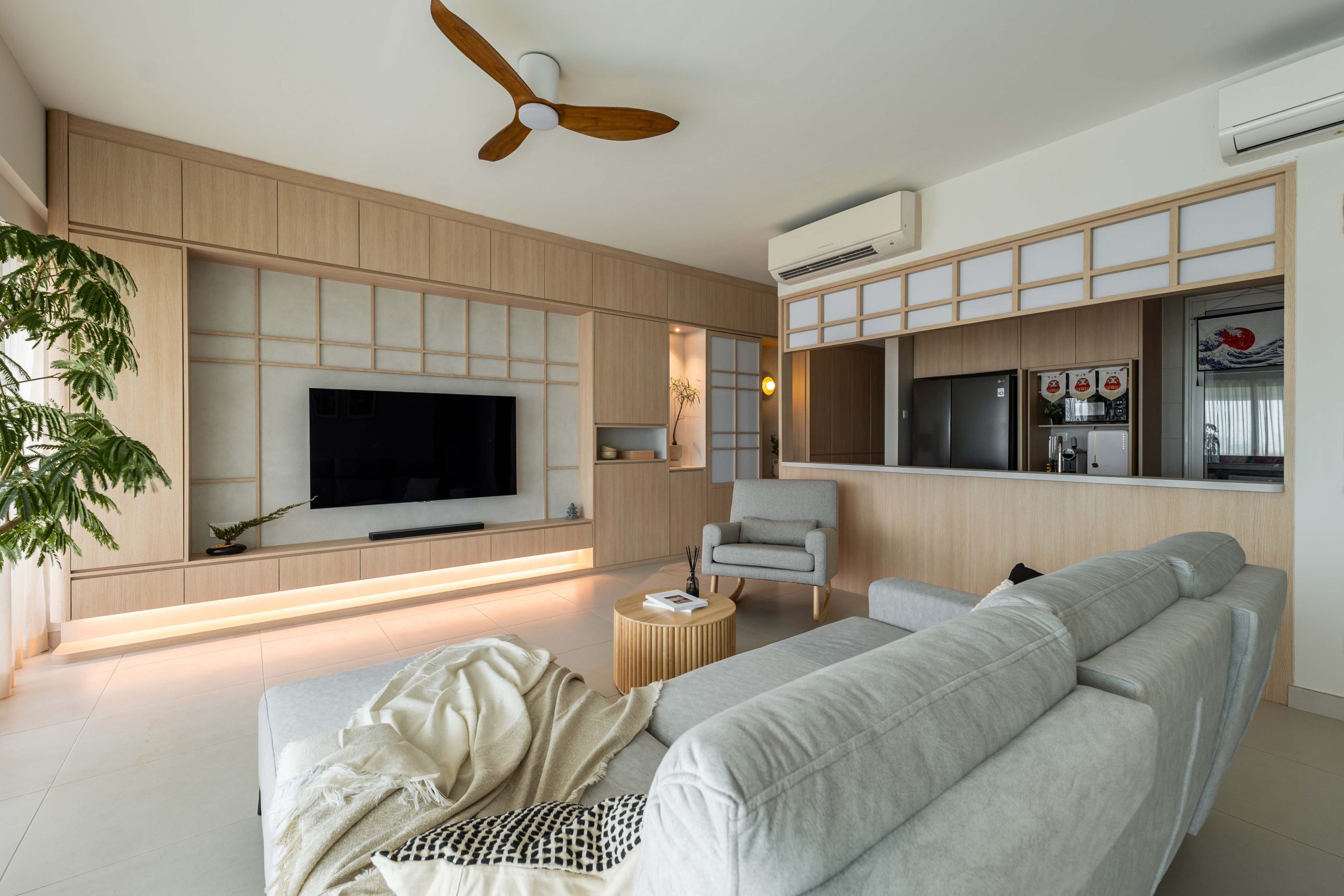
Choosing a condominium in Singapore is an important decision, particularly for homeowners who want a comfortable living environment without compromising on convenience. While location, pricing and development facilities often receive considerable attention, the way a residential unit uses its available space can have an equally significant impact on everyday life.
A thoughtfully designed home does not necessarily need to be large. With suitable furniture, practical storage solutions and an efficient layout, even a compact condominium can feel spacious, organised and welcoming. Understanding how to evaluate and maximise residential space can help buyers make better property decisions.
Start With the Floor Plan
Before purchasing a condominium, prospective homeowners should study the floor plan carefully. The number of bedrooms alone does not determine whether a property is suitable. Room dimensions, corridor space, kitchen arrangements and the positioning of doors and windows all influence functionality.
Consider how household members will use different areas throughout the day. A family may need separate spaces for studying, relaxing and entertaining guests. A working professional might prefer an open living area that can accommodate a compact home office.
Buyers should also examine whether the layout offers sufficient privacy between bedrooms and communal spaces. A practical arrangement can make daily routines easier and reduce unnecessary movement within the home.
Create a More Functional Living Area
The living room often serves several purposes in a modern Singapore household. It may function as an entertainment area, a place for family gatherings and occasionally a workspace.
Selecting appropriately sized furniture is therefore essential. Oversized sofas and bulky cabinets can make a relatively small room feel crowded. Instead, homeowners can consider streamlined furniture, wall-mounted television units and flexible seating arrangements.
Open-plan layouts may also help create a stronger sense of space. When the living and dining areas connect naturally, the home can feel more inviting and provide greater flexibility when hosting visitors.
For residents who enjoy entertaining, a practical dining arrangement with movable chairs or an extendable table can provide additional convenience without permanently occupying too much floor space.
Make Storage Part of the Design
Storage is one of the most overlooked considerations when planning a condominium interior. Without suitable storage arrangements, everyday belongings can quickly occupy valuable living areas.
Built-in wardrobes, overhead cabinets and storage beds can help homeowners use available space efficiently. Kitchen cabinets extending towards the ceiling may also provide additional room for items that are not needed regularly.
However, storage solutions should remain accessible and proportionate to household requirements. Filling every available corner with cabinets can make an interior feel restrictive.
A useful approach is to separate belongings into frequently used, occasionally used and rarely used categories. This allows homeowners to organise storage according to practical needs.
Consider Natural Lighting and Ventilation
Natural lighting can significantly influence how spacious a residential unit feels. Rooms receiving sufficient daylight often appear brighter and more comfortable than spaces relying entirely on artificial lighting.
Window positioning, external surroundings and internal room arrangements should therefore form part of the property evaluation process.
Ventilation is another important consideration, particularly in Singapore’s tropical climate. Buyers can examine the window arrangements and ask whether the unit’s design supports effective airflow.
When comparing residential options such as North Park Central, prospective homeowners should review the available floor plans and development information rather than making assumptions based on photographs or promotional images.
Design Bedrooms Around Everyday Needs
Bedrooms should provide comfort, privacy and sufficient room for essential furniture. A common mistake is selecting decorative furniture before understanding the actual dimensions of the room.
For smaller bedrooms, multifunctional furniture can be particularly useful. Beds with integrated storage, compact bedside tables and sliding wardrobes can help maintain a cleaner layout.
Lighting should also be considered carefully. A combination of general lighting, bedside lamps and task lighting can make bedrooms more adaptable to different activities.
For households with children, leaving sufficient floor space for movement and play can be more valuable than introducing excessive decorative elements.
Make Better Use of Kitchens and Bathrooms
Kitchens and bathrooms may occupy smaller portions of a condominium, but their layouts influence daily convenience considerably.
In kitchens, homeowners should consider preparation surfaces, cabinet accessibility, appliance positioning and sufficient storage. A well-organised arrangement makes cooking more comfortable and helps prevent clutter.
Bathrooms benefit from practical shelving, vanity storage and suitable ventilation. Choosing fixtures that match the available dimensions can improve functionality without making the space feel overcrowded.
Before renovating, owners should also understand which alterations are permitted. Singapore’s Urban Redevelopment Authority provides guidance on renovation works within strata-titled residential properties, while condominium management requirements may introduce additional conditions.
Think About Flexibility for the Future
A home should ideally accommodate changing household requirements. A spare bedroom might initially serve as a study before becoming a nursery or guest room. Flexible furniture and adaptable layouts can make these transitions easier.
When researching residential developments, buyers may also explore Bedok Rise Residences as part of their wider property comparison. Reviewing official development information, available layouts and surrounding amenities can help establish whether a particular residential option suits long-term expectations.
Conclusion
Smart space planning is an essential part of comfortable condominium living in Singapore. By examining floor plans, prioritising functional furniture, improving storage and considering lighting and ventilation, homeowners can make better use of their available space.
The most suitable property is not necessarily the one with the largest floor area. It is the home that supports everyday activities, accommodates household needs and provides flexibility for the future. Careful planning before purchasing can help residents enjoy a more organised and comfortable living experience for years to come.


